
“The houses of the old town—the side away from us—are all red-roofed, and seemed piled up over one another anyhow”.
Whitby

Perched dramatically on the North Yorkshire coast where the River Esk meets the North Sea, Whitby is a town that effortlessly blends maritime heritage, gothic atmosphere, sandy beaches, and traditional seaside charm. Whether you’re drawn by literary legends, sweeping coastal walks, fish and chips by the harbour, or the haunting silhouette of Whitby Abbey against the sky, this historic town offers something for every kind of visitor.
This guide will help you explore Whitby’s most iconic sights, hidden corners, and local experiences so you can make the most of your visit.
A Town Shaped by the Sea
Whitby’s history is inseparable from the ocean. For centuries it thrived as a fishing port and shipbuilding centre. In the 18th century, it gained international recognition as the home port of the famous explorer Captain James Cook. You can explore this legacy at the excellent Captain Cook Memorial Museum, housed in the very building where Cook lodged as a young apprentice. Inside, you’ll find fascinating exhibits on his voyages to the Pacific and the scientific discoveries that changed the world.
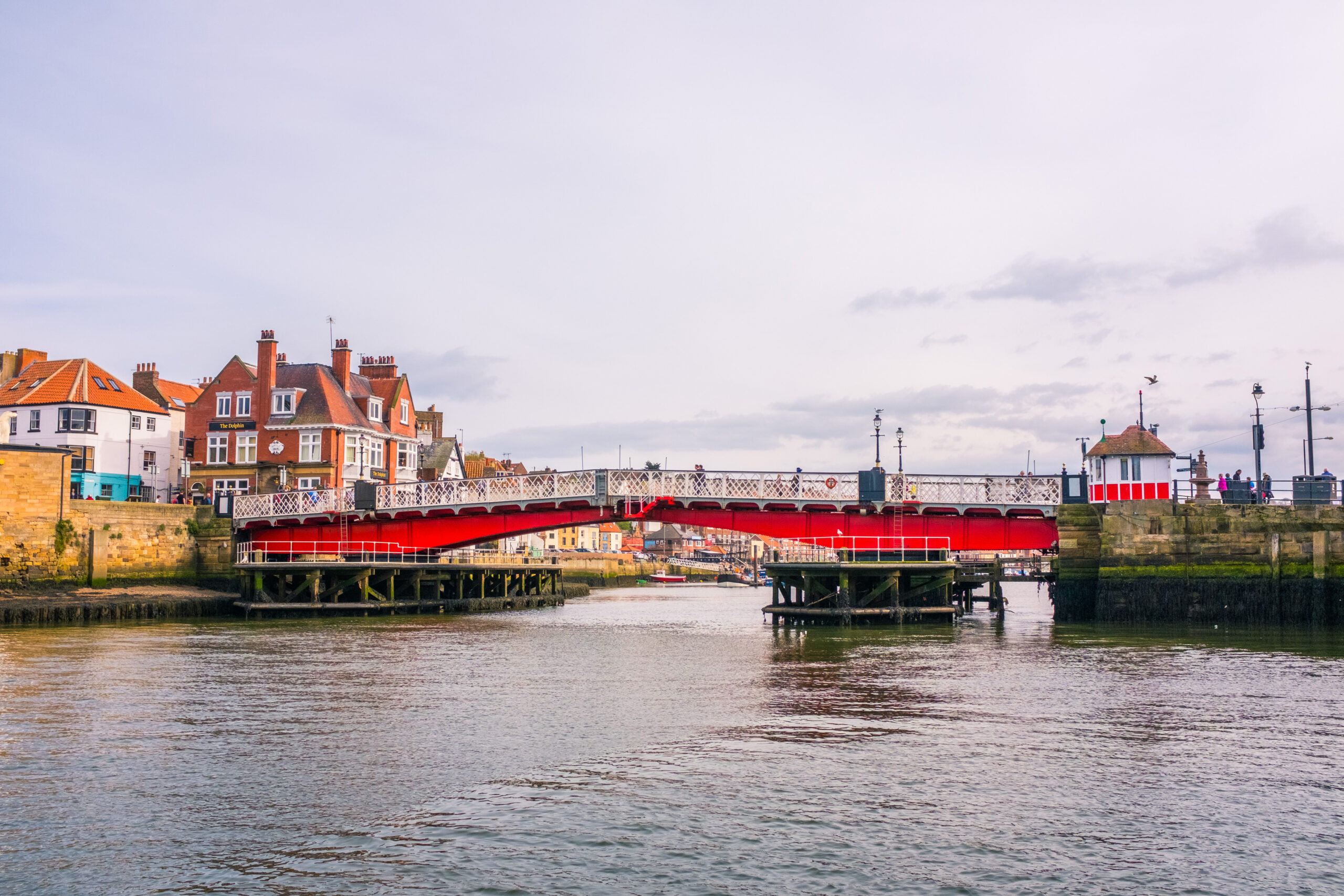
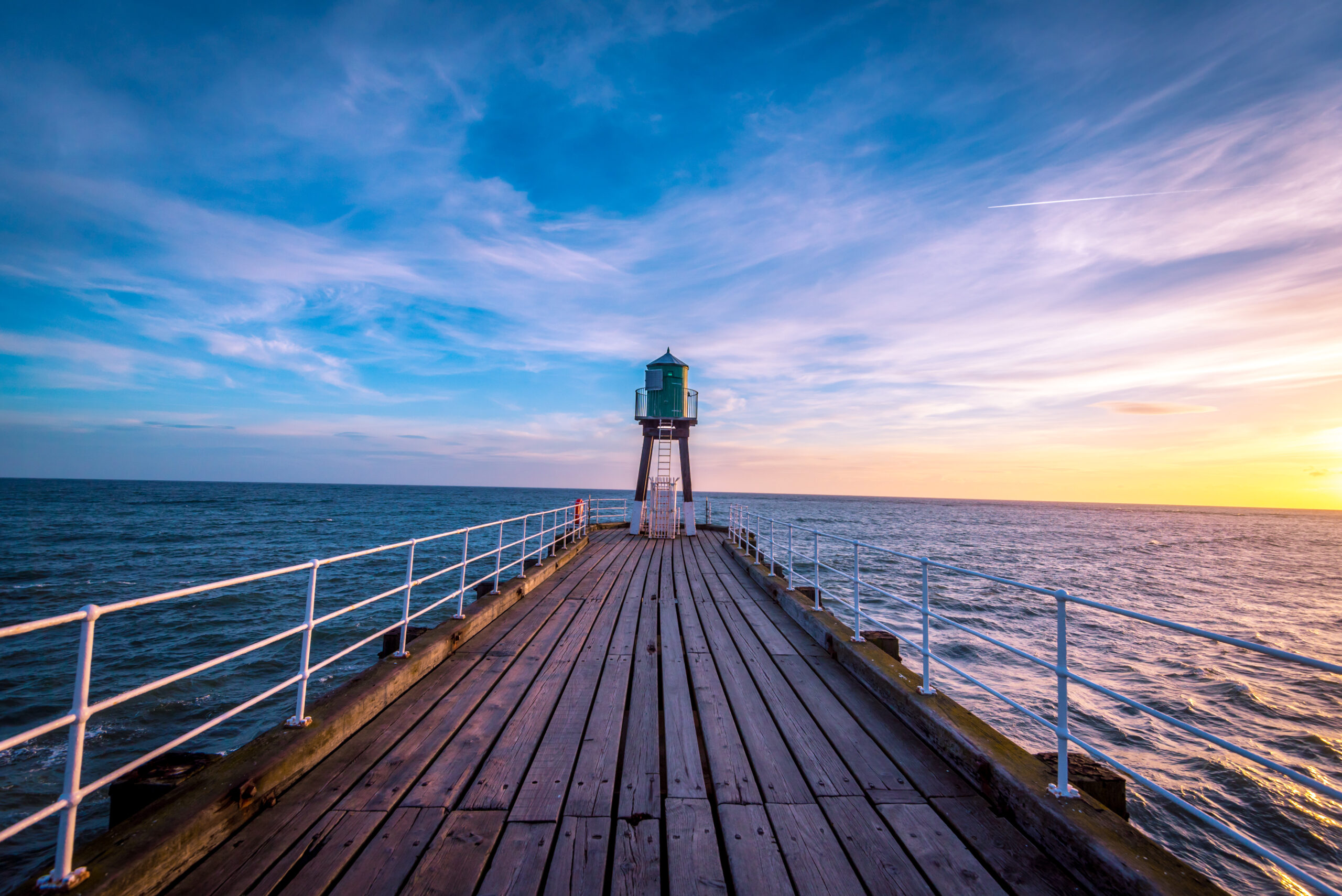
Strolling around the harbour today, you’ll still see working fishing boats alongside pleasure craft. The swing bridge connecting the east and west sides of town opens regularly to allow vessels through—a reminder that Whitby remains a living port, not just a picturesque backdrop.
Whitby Abbey
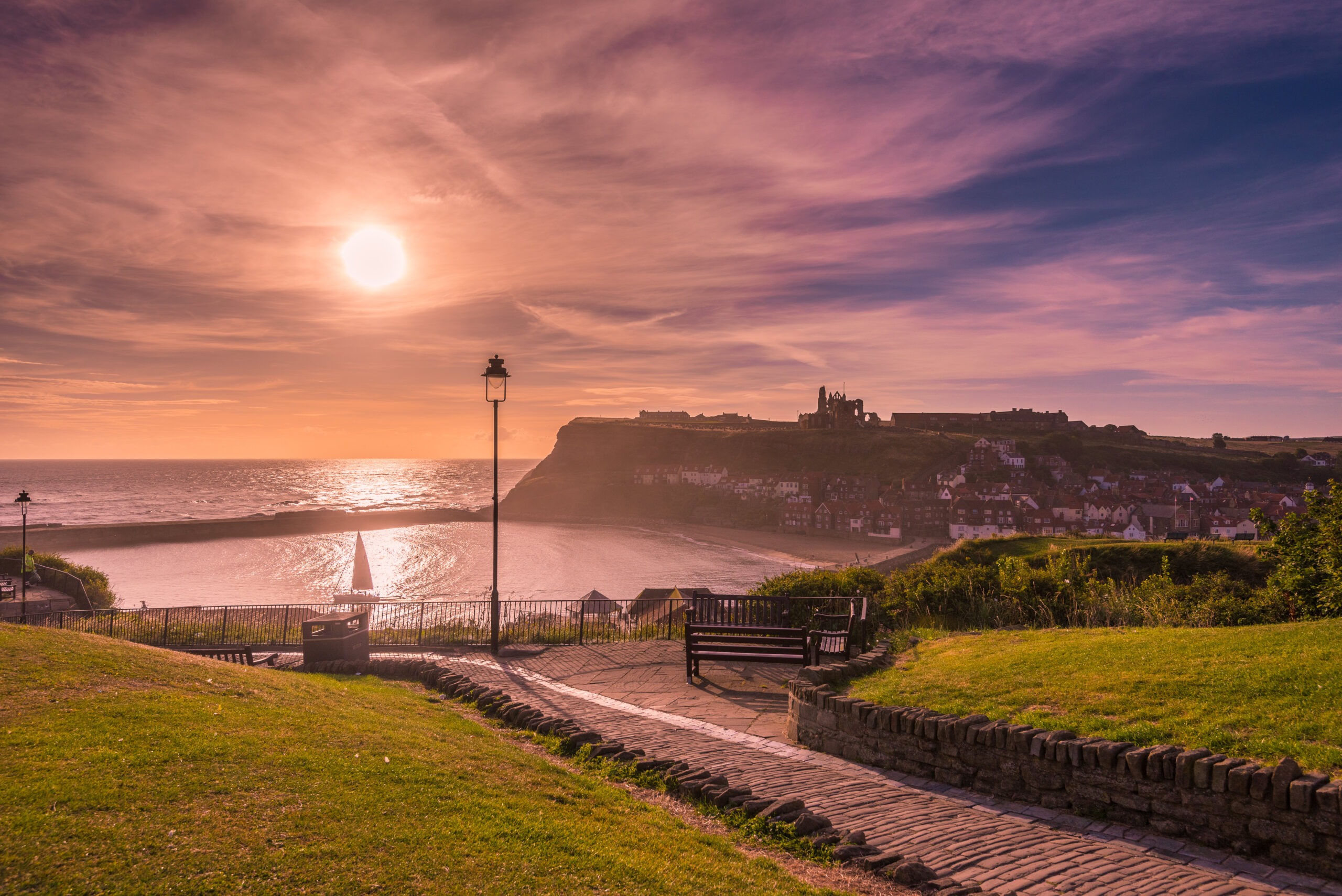
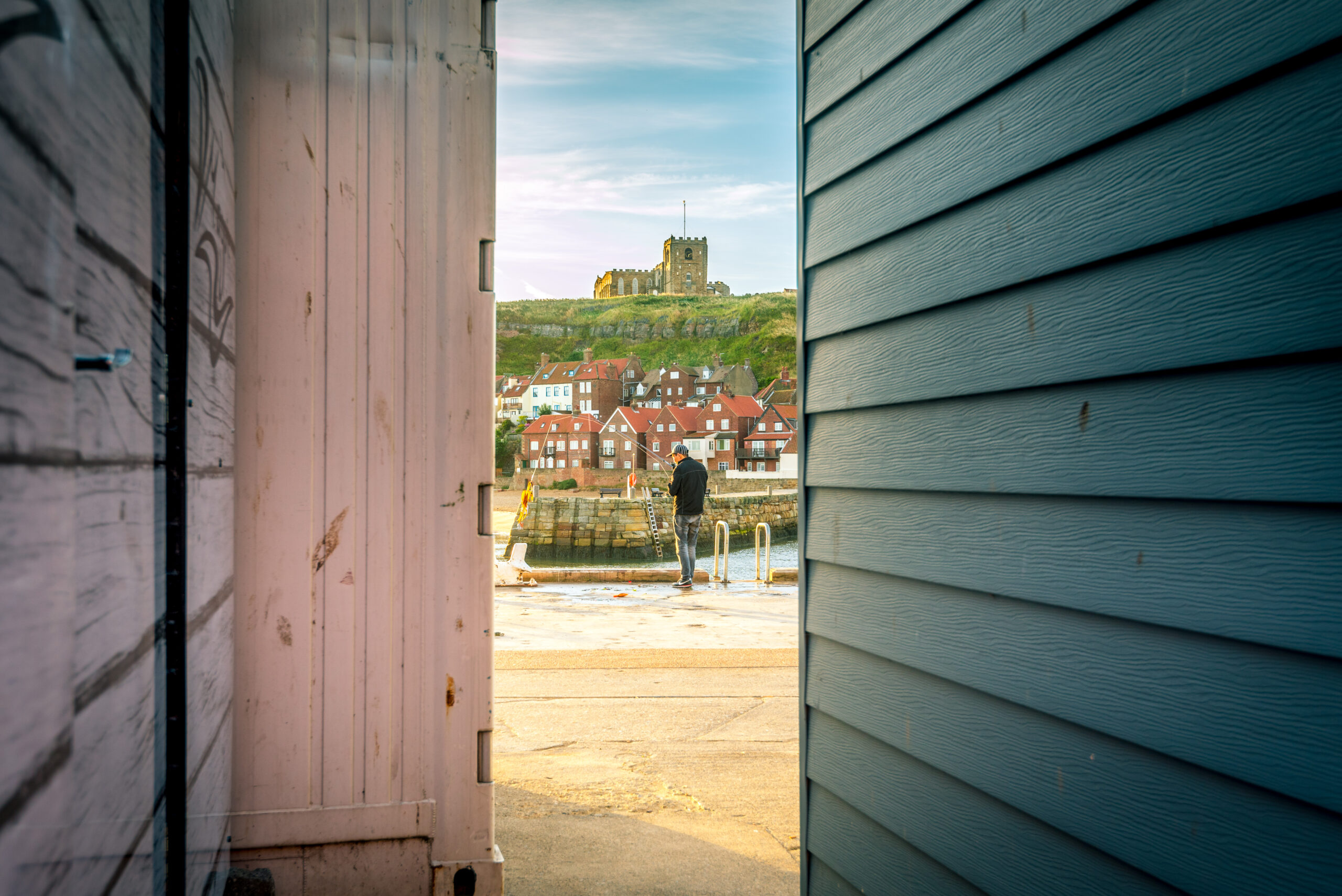
Dominating the skyline from the East Cliff, Whitby Abbey is the town’s most iconic landmark. Founded in the 7th century, the original monastery was an important centre of early English Christianity. The current dramatic ruins date largely from the 13th century and were left roofless after the Dissolution of the Monasteries under Henry VIII.
Today, the abbey’s skeletal arches and towering windows create a hauntingly beautiful silhouette, especially at sunset or when lit up at night. The site is closely associated with Bram Stoker’s novel Dracula; Stoker stayed in Whitby in 1890, and the abbey’s eerie presence helped inspire his famous Gothic tale. Fans of the novel often recognise the setting immediately when standing among the ruins.
The climb up the famous 199 Steps from the old town to the abbey is part of the experience. Take your time—pausing to admire the increasingly spectacular views over rooftops, harbour, and sea.
The 199 Steps
The 199 Steps link the old town to St Mary’s Church and the abbey above. At the top, you’ll find St Mary’s Church, Whitby, an atmospheric church surrounded by leaning gravestones and windswept grass. The churchyard offers some of the best views in Whitby and is another location connected to Dracula lore.
Below the steps lies Whitby’s old town—a maze of narrow, cobbled streets and historic buildings. Wander along Church Street, where independent shops sell traditional sweets, nautical gifts, antiques, and Whitby jet jewellery. Jet, a black fossilised wood found along the local cliffs, became highly fashionable in Victorian mourning jewellery and remains a local speciality.
Allow time simply to get lost here; the charm of Whitby often lies in its small discoveries.
Beaches and Coastal Walks
Whitby offers two distinct beaches on either side of the River Esk.
On the West Cliff, you’ll find a wide, sandy beach backed by colourful beach huts and a promenade. It’s ideal for families, paddling, building sandcastles, or enjoying classic seaside amusements. Don’t miss the chance to try traditional fish and chips—Whitby is famous for them, and the debate over the best spot is a local pastime.
On the East Cliff side, Tate Hill Beach is smaller and more sheltered, popular for fossil hunting. The surrounding cliffs are part of the Yorkshire Coast, known for Jurassic fossils, including ammonites embedded in rock.
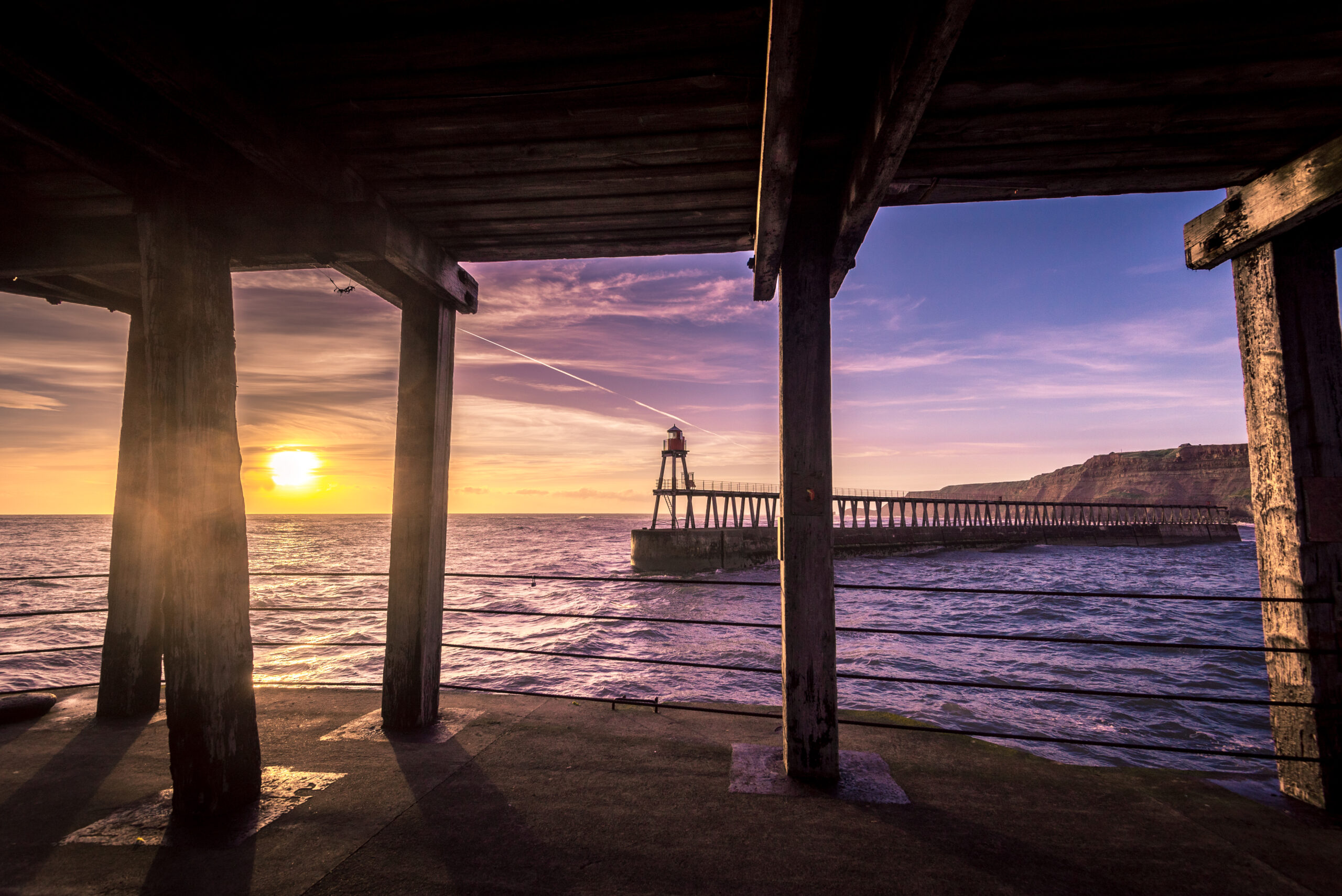
For walkers, Whitby sits on the Cleveland Way, a long-distance path offering breathtaking cliff-top views. Whether you head north toward Sandsend or south toward Robin Hood’s Bay, you’ll encounter dramatic scenery, seabirds, and sweeping sea vistas.
Culture, Festivals and Atmosphere
Whitby has a vibrant cultural calendar that draws visitors year-round. The Whitby Goth Weekend transforms the town twice a year into a gathering place for Goths and alternative subcultures from across the UK and beyond. The sight of elaborately dressed visitors posing beneath the abbey ruins is both striking and entirely in keeping with Whitby’s gothic reputation.
The Whitby Regatta, held each summer, celebrates the town’s maritime heritage with rowing races, music, and fireworks.
Throughout the year, smaller festivals highlight folk music, literature, and local food, ensuring that even repeat visitors find something new to enjoy.
Food and Local Specialities
No visit to Whitby is complete without sampling its seafood. Freshly caught fish, crab, and lobster feature prominently on local menus. Fish and chips, served with salt and vinegar and enjoyed overlooking the harbour, are a must.
Traditional seaside treats—ice cream, rock candy, and fudge—are widely available. For something uniquely local, look for shops selling Whitby jet jewellery or fossils collected from nearby beaches.
Day Trips and Nearby Highlights
Whitby makes an excellent base for exploring the surrounding countryside. Just inland lies the stunning North York Moors, a landscape of rolling heather moorland, ancient woodland, and charming villages. Scenic drives and walking trails offer a peaceful contrast to the bustle of the harbour.
A short coastal journey brings you to picturesque fishing villages such as Robin Hood’s Bay, with its steep lanes and smuggling history. The entire region feels steeped in stories.
Practical Tips for Visitors
Whitby is popular, particularly during summer and festival weekends, so accommodation should be booked in advance. The town offers a wide range of options, from cosy guesthouses to boutique hotels.
Parking can be limited in peak season; consider arriving early or using park-and-ride services if available. The town centre is compact and best explored on foot, though be prepared for steep hills and steps.
Weather on the coast can change quickly—bring layers and waterproof clothing, even in summer.
Why Visit Whitby?
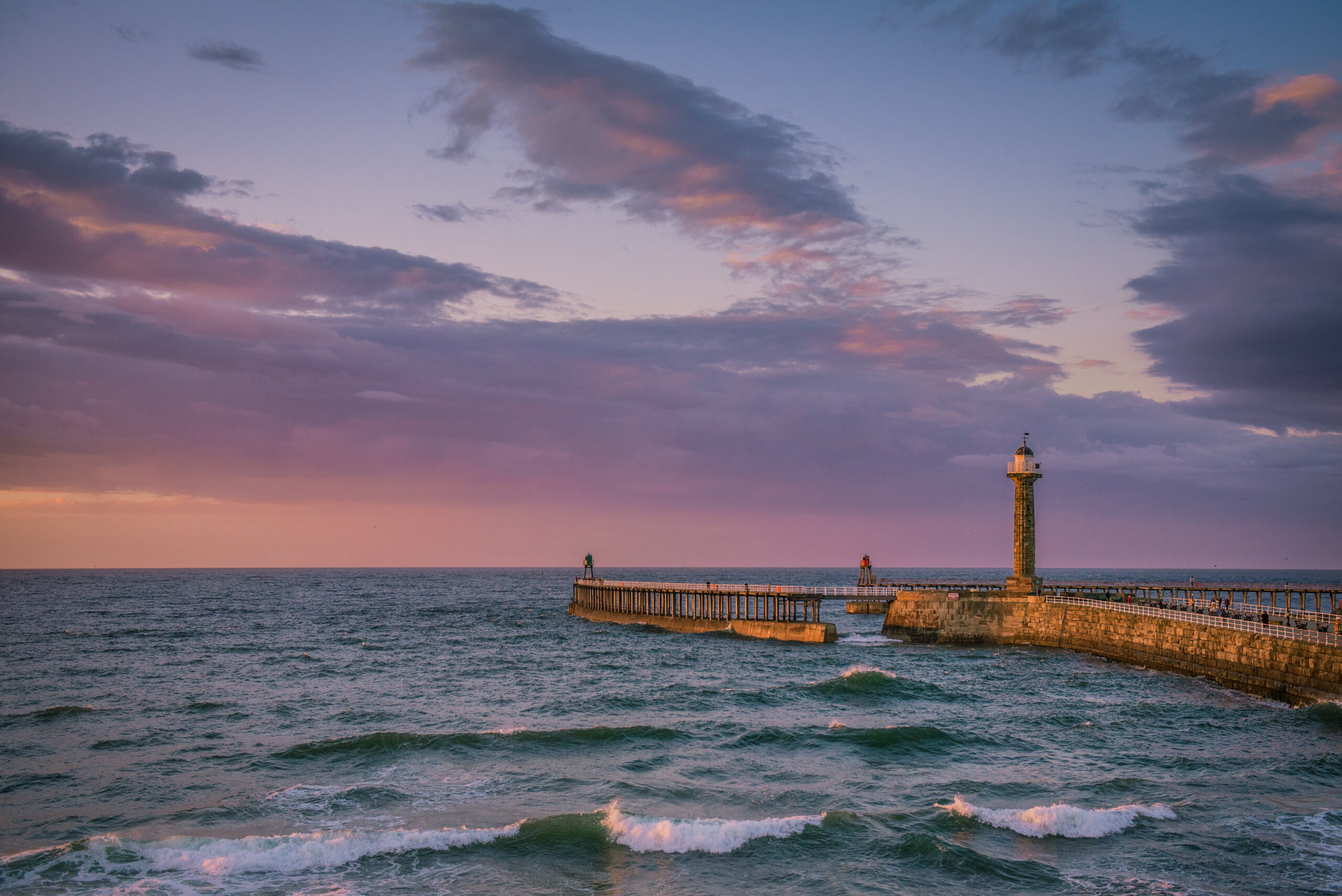
Whitby captivates because it feels layered with history and atmosphere. It is a place where medieval ruins overlook working fishing boats; where literary legend meets seaside nostalgia; where windswept cliffs frame sunsets over the North Sea.
Whether you spend a weekend wandering cobbled streets, exploring abbey ruins, hiking coastal paths, or simply enjoying the rhythm of the tide, Whitby leaves a lasting impression. It is at once dramatic and welcoming, historic and lively—a quintessential English seaside town with a distinctly gothic soul.
Recent Places
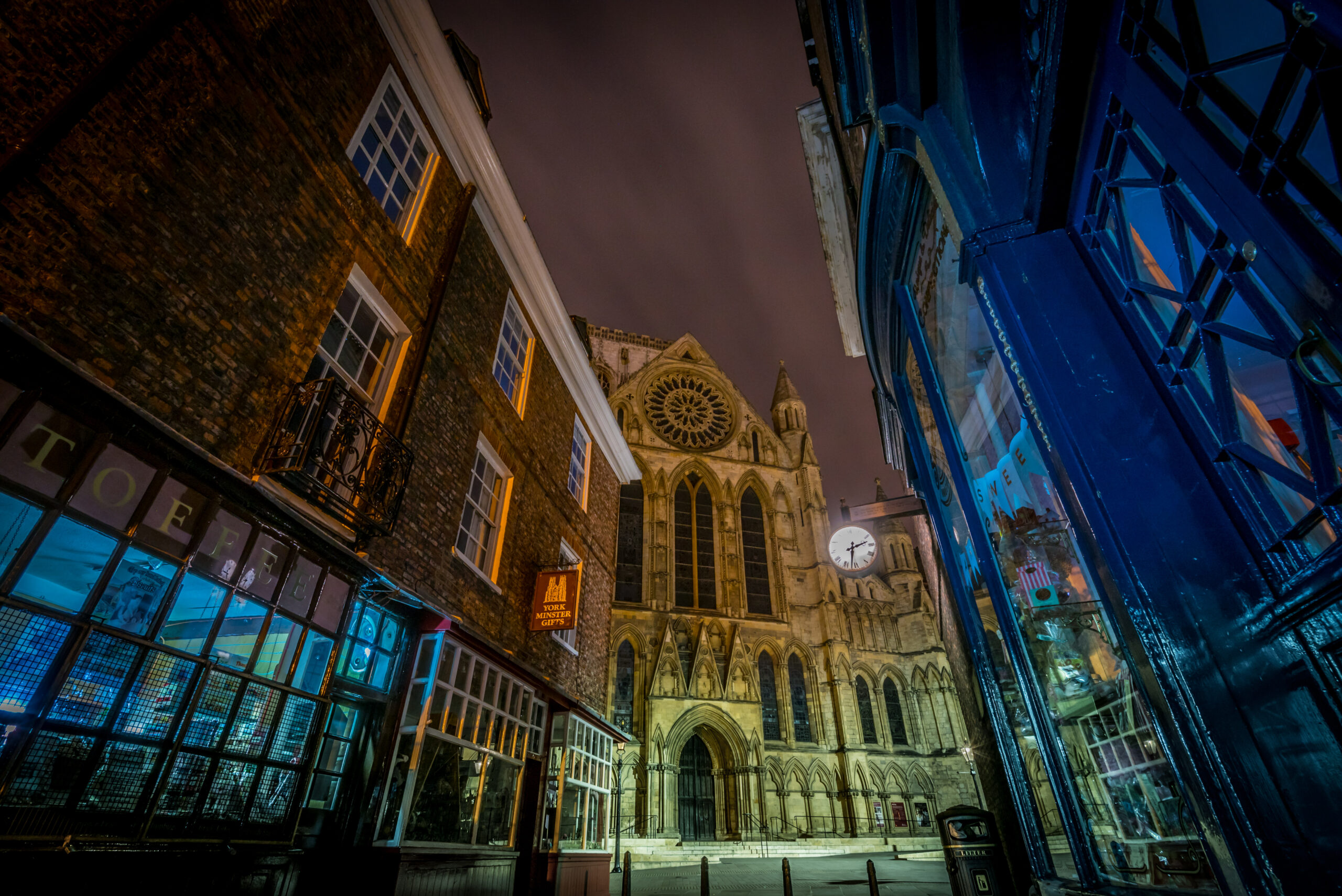
York
York
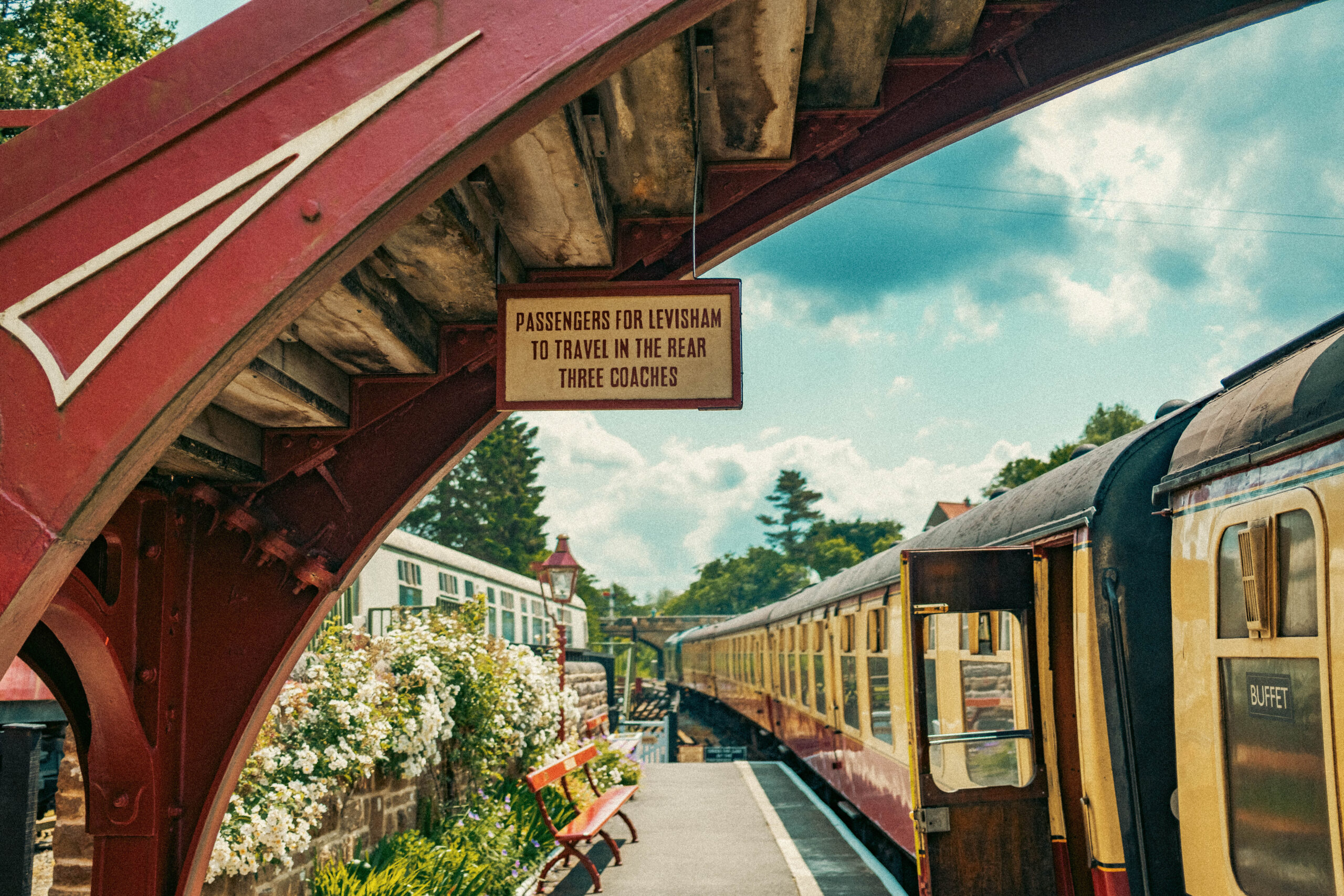
North Yorkshire Moor Railway