
“A city of secrets, surprises, and treasures.”
York
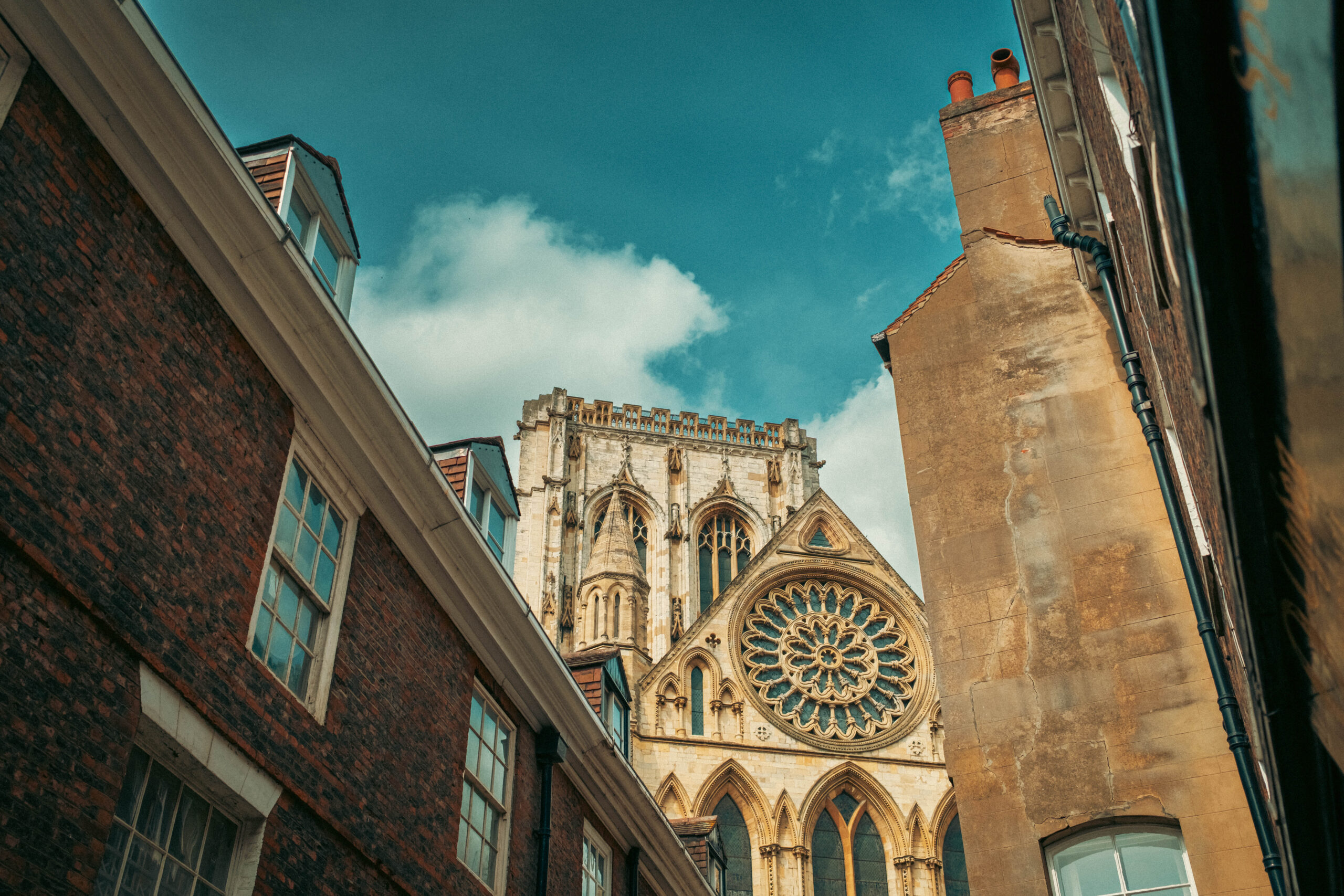
Few English cities pack as much history, character, and charm into a compact, walkable centre as York. Founded by the Romans, shaped by Vikings, fortified in the Middle Ages, and polished in Georgian and Victorian times, York feels like a living timeline. Whether you’re visiting for a weekend break or using it as a base to explore North Yorkshire, here’s what you need to know to make the most of your trip.
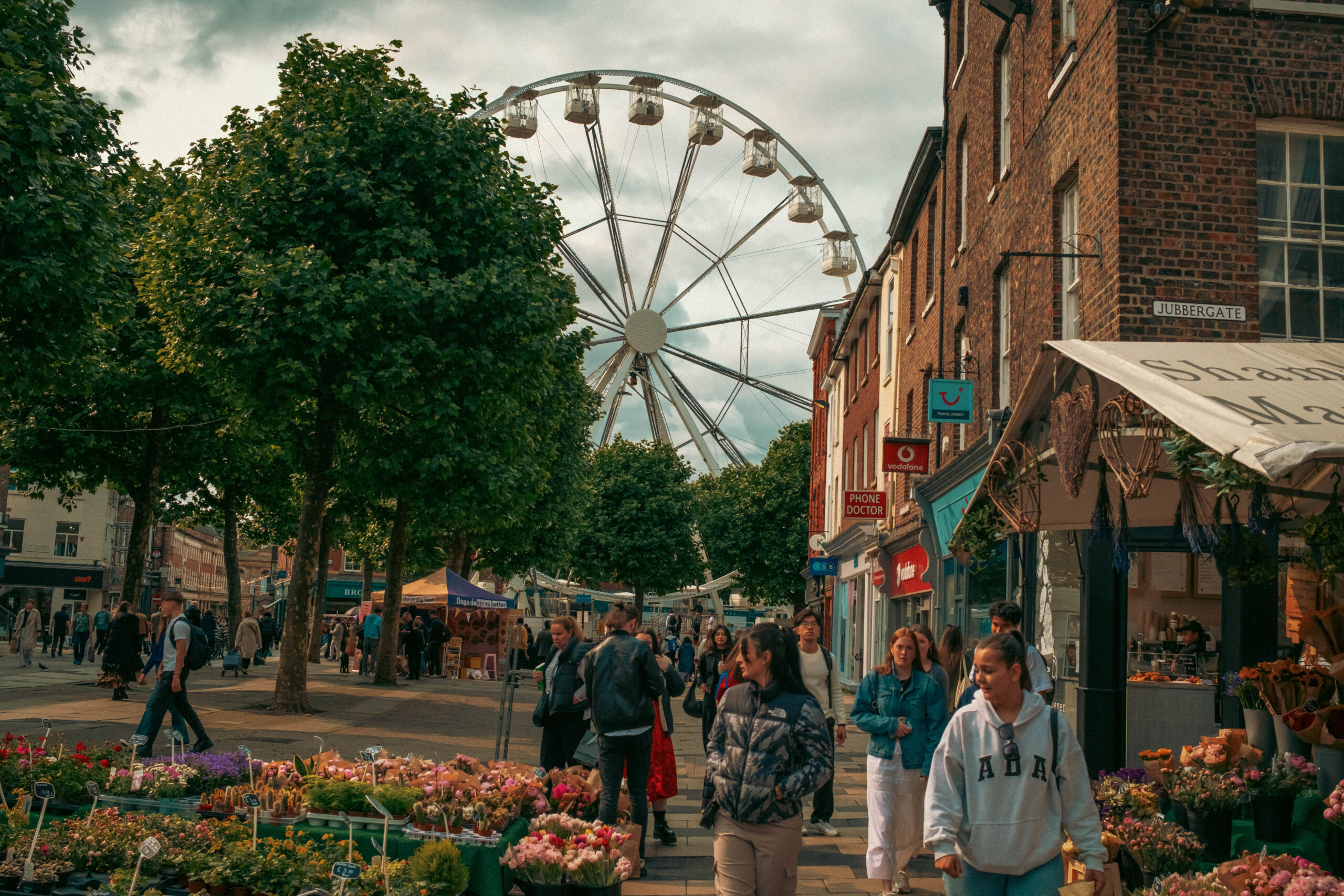
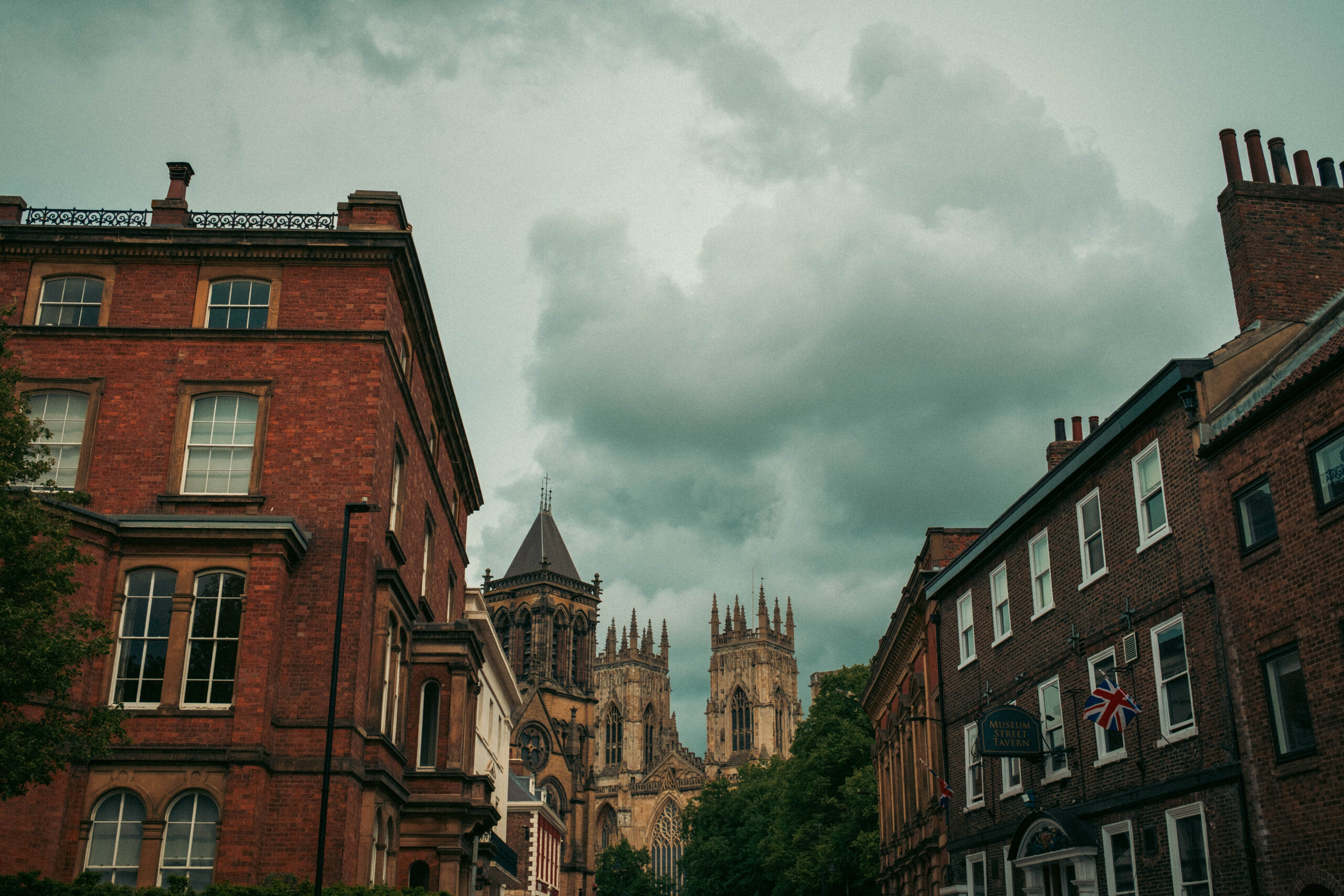
A City Shaped by 2,000 Years of History
York began as the Roman fortress of Eboracum in AD 71. You can still see traces of Roman walls and visit the remains beneath the city streets. After the Romans, the city became a Viking stronghold known as Jorvik. Its medieval wealth—driven largely by wool and trade—funded the construction of grand buildings and formidable walls that still define the city today.
One of the best ways to understand York’s layers of history is simply to walk. The city centre is compact, and many of the streets follow medieval routes. You’re never far from a historic building, a hidden courtyard, or a centuries-old pub.
York Minster: The Heart of the City
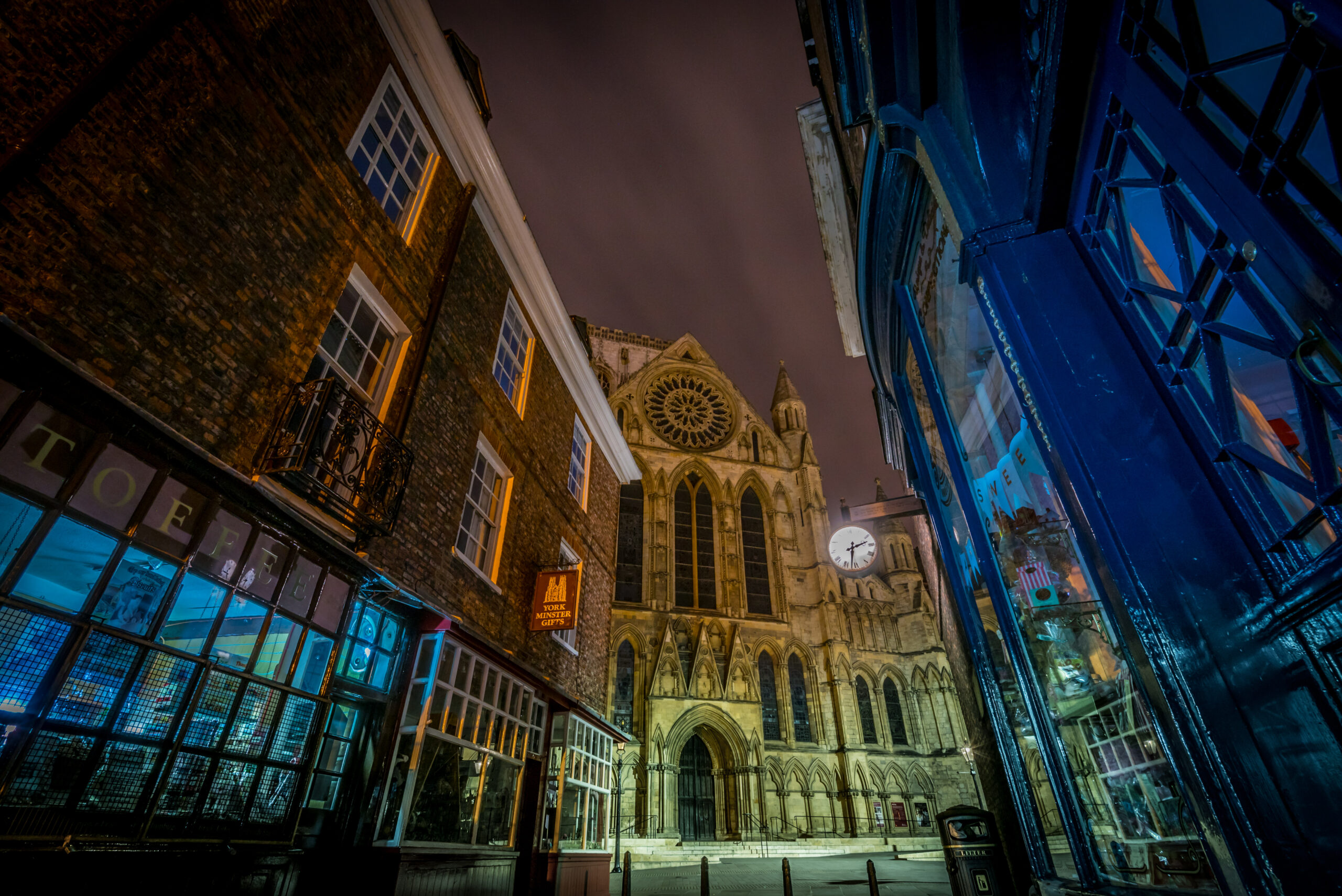
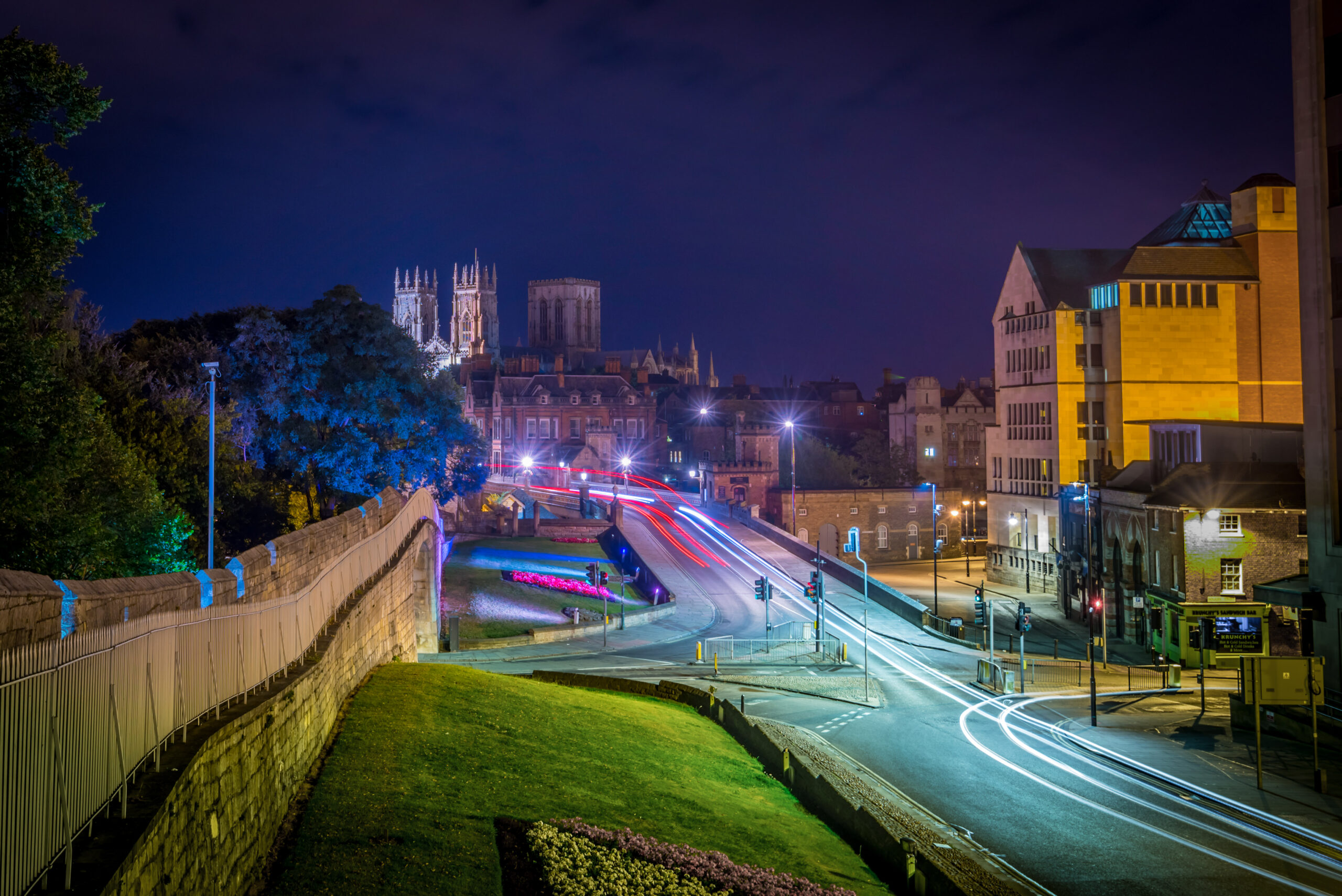
Dominating the skyline, York Minster is one of the largest Gothic cathedrals in Northern Europe. Its construction spanned over 250 years, resulting in a breathtaking blend of architectural styles. Inside, you’ll find intricate stone carvings, vaulted ceilings, and one of the world’s largest collections of medieval stained glass—including the spectacular Great East Window.
Climb the central tower (if you’re comfortable with narrow staircases) for panoramic views over the city’s rooftops and beyond to the North York Moors. The Minster isn’t just a photo stop—it’s central to York’s identity and worth taking time to explore properly.
Walk the city walls
York’s medieval walls are the most complete in England. A full circuit walk takes about two hours at a relaxed pace and offers unique perspectives of the city. You’ll pass through historic gates (called “Bars”), including Bootham Bar and Monk Bar, and enjoy elevated views of gardens, streets, and landmarks.
The walk is free and ideal for getting your bearings on your first day. Keep in mind that some sections have steps and uneven surfaces.
The Shambles
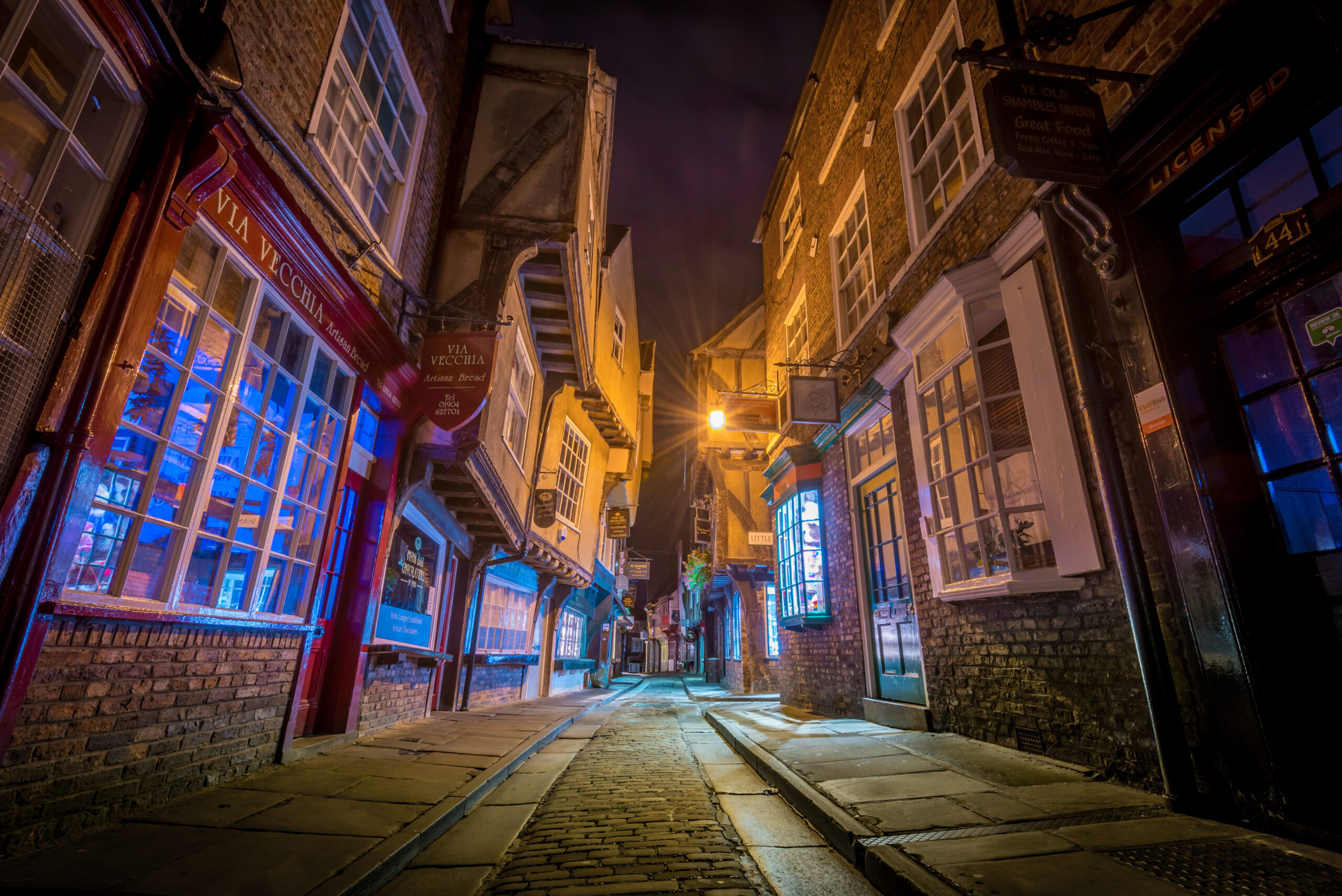
Perhaps York’s most photographed street, The Shambles is a narrow medieval lane lined with timber-framed buildings that seem to lean toward one another. Originally home to butchers, the street still has overhanging upper floors and old meat hooks visible on some façades.
Today, it’s filled with independent shops, cafés, sweet stores, and quirky boutiques. Nearby, Shambles Market offers street food, local produce, and crafts—perfect for a casual lunch or souvenir hunting.
Museums and Attractions
If you want to dive deeper into York’s past, the Jorvik Viking Centre offers an immersive experience of Viking-era life, complete with reconstructed streets and archaeological finds. It’s family-friendly and one of the city’s most popular attractions.
Rail enthusiasts shouldn’t miss the National Railway Museum, home to historic locomotives including Mallard, the world’s fastest steam train. Entry is free, and it’s one of the largest railway museums in the world.
For a quieter experience, the York Castle Museum features recreated Victorian streets and exhibits on everyday life through the centuries.
Food and Drink
York’s food scene blends tradition and creativity. You’ll find classic tearooms serving afternoon tea—complete with scones, clotted cream, and delicate pastries—alongside modern restaurants offering global cuisine.
Historic pubs are a highlight. Many date back several centuries and feature low beams, open fires, and cosy corners. They’re ideal for sampling local ales or enjoying hearty British fare. Because the city centre is compact, it’s easy to wander and choose a place that catches your eye.
If you have a sweet tooth, York is famous for chocolate. The city once housed major confectionery manufacturers, and you can still find artisan chocolate shops and themed experiences around town.
Green Spaces and Relaxation
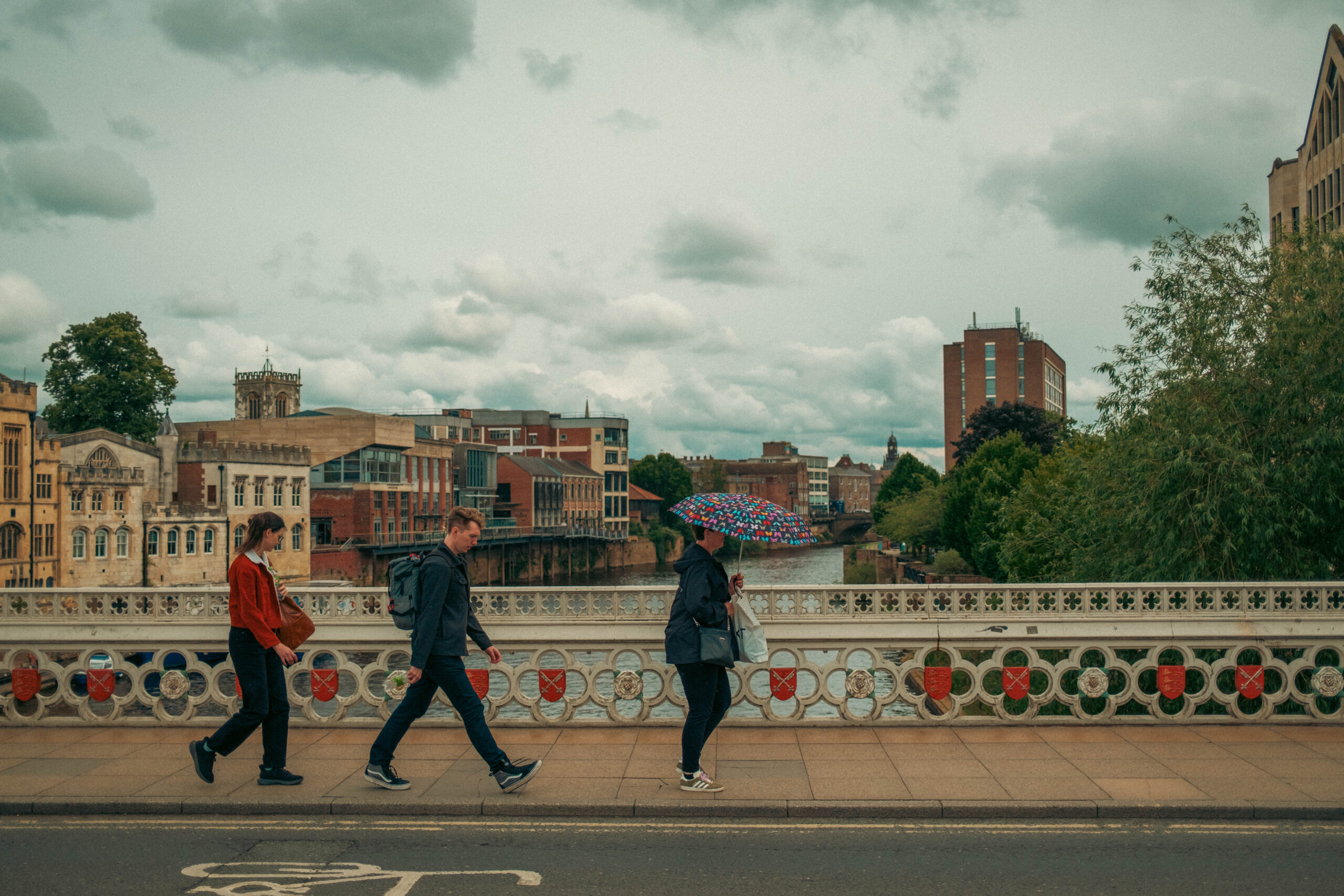
Despite its urban feel, York offers peaceful escapes. The Museum Gardens, near the river, combine botanical beauty with Roman ruins and the striking remains of St Mary’s Abbey. The River Ouse runs through the city, and riverside walks are especially pleasant on sunny days.
Boat tours operate in warmer months, offering a relaxed way to learn about York’s landmarks from the water.
Day Trips from York
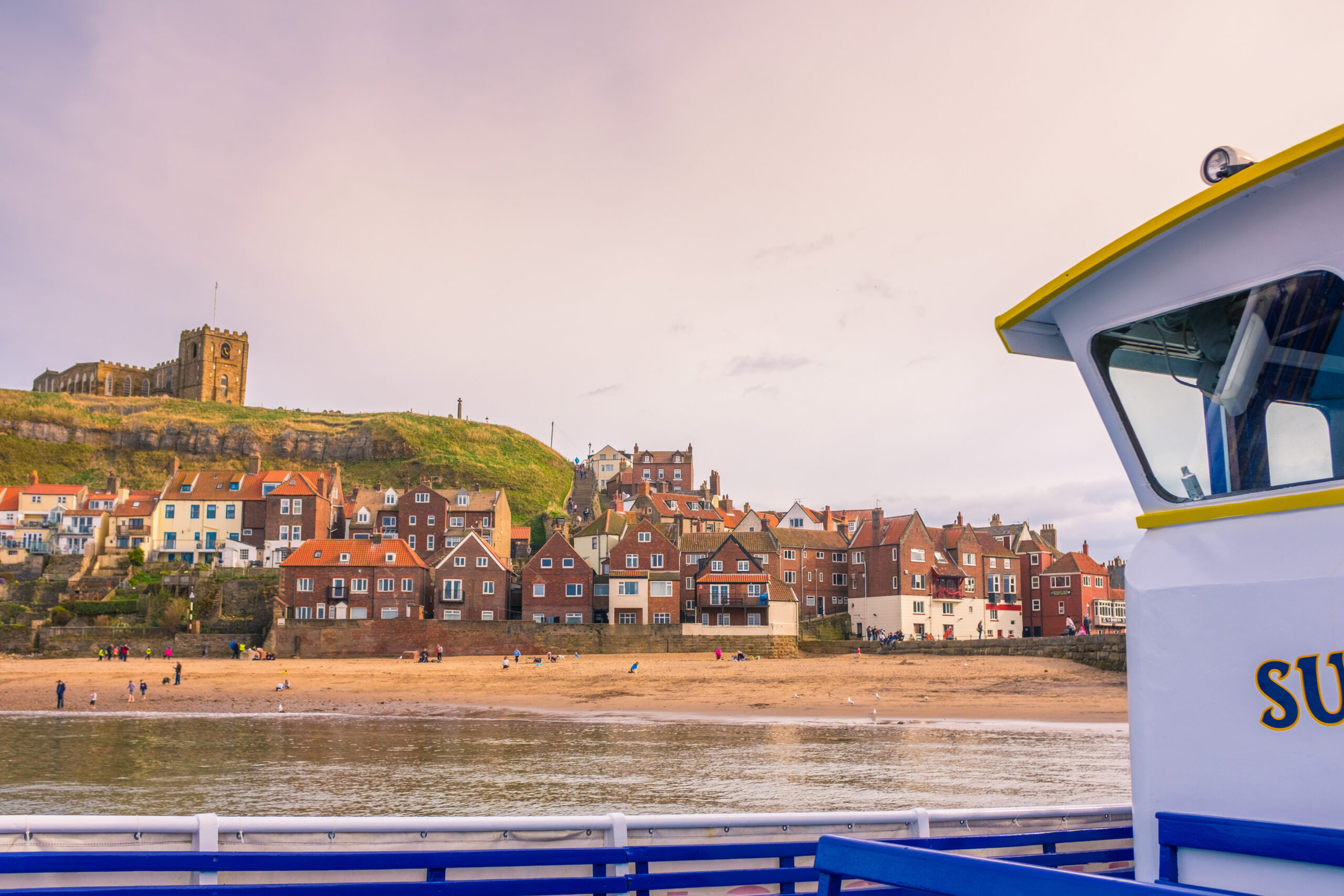
York makes an excellent base for exploring North Yorkshire. Within easy reach are the North York Moors National Park, the Yorkshire Dales, and the seaside town of Whitby. Trains connect York to Leeds, Harrogate, and even Edinburgh and London, making it a convenient hub.
Practical Tips
-
Getting Around: York city centre is largely pedestrianised. Most major sights are within walking distance of the train station.
-
When to Visit: Spring and autumn offer fewer crowds and mild weather. Summer is lively but busier, especially on weekends.
-
Booking Ahead: Popular attractions like York Minster tower climbs and the Jorvik Viking Centre can sell out—reserve in advance during peak times.
-
Weather: Yorkshire weather can be unpredictable. Bring layers and a waterproof jacket.
Why Visit York?
What truly sets York apart is its atmosphere. Street musicians perform near ancient stone walls. Church bells echo across cobbled streets. Independent shops thrive alongside historic landmarks. The city feels intimate yet culturally rich—busy enough to be vibrant, but small enough to feel welcoming.
Whether you’re fascinated by Roman history, Viking heritage, medieval architecture, railway engineering, or simply good food and scenic walks, York offers a well-balanced experience. Two days is enough to see the highlights, but three or four allows you to slow down and absorb its character.
In short, York isn’t just a place you visit—it’s a place you wander, explore, and gradually uncover.
Recent Places
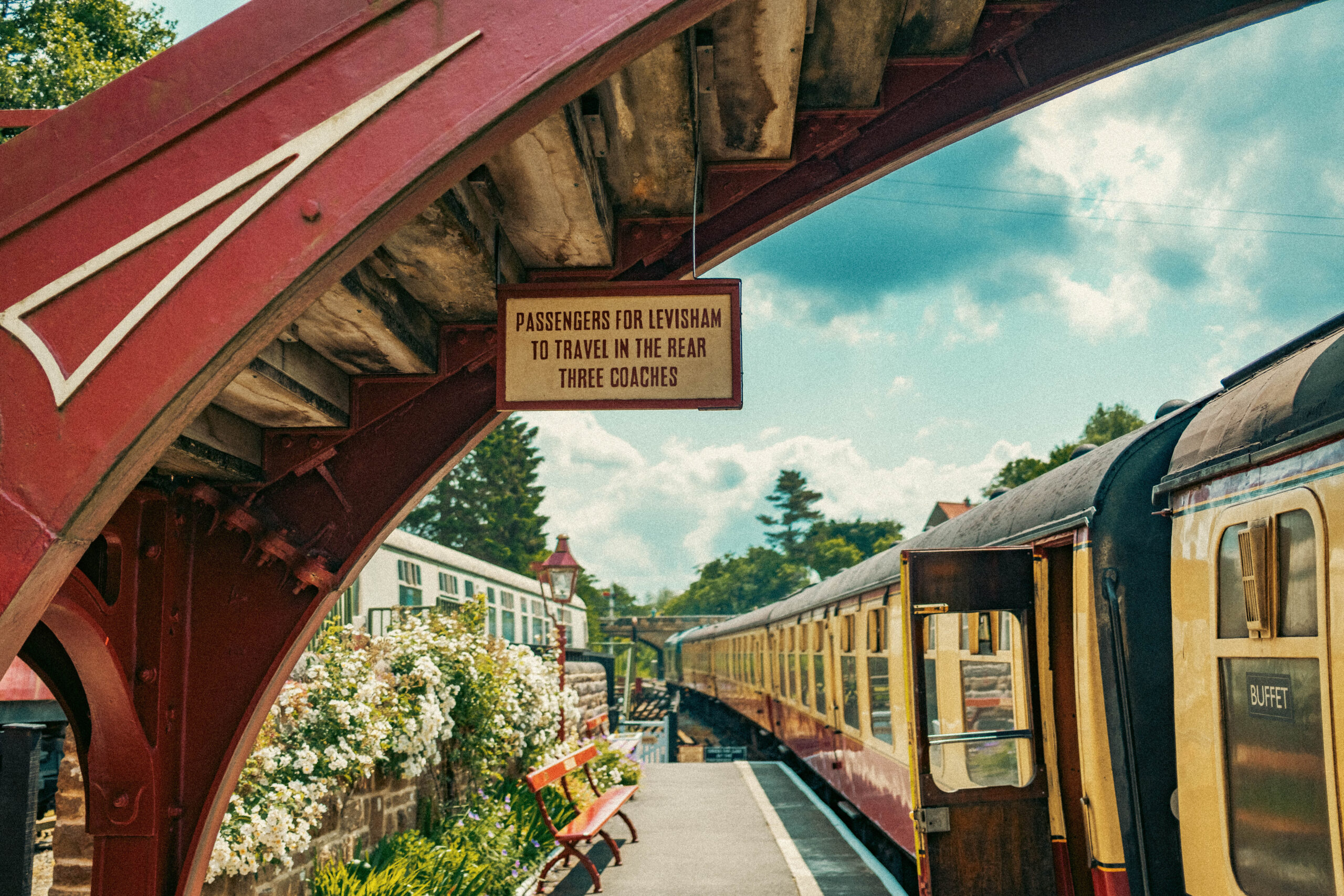
North Yorkshire Moor Railway
North Yorkshire Moor Railway
Whitby